

Indian Agriculture: Crops, Modern Farming & Schemes
October 21, 2026Explore Indian agriculture, major crops, modern farming techniques, fertilizer management, sustainable agriculture, and government schemes for farmers.
Indian Agriculture: Crops, Modern Farming Techniques and Government Schemes
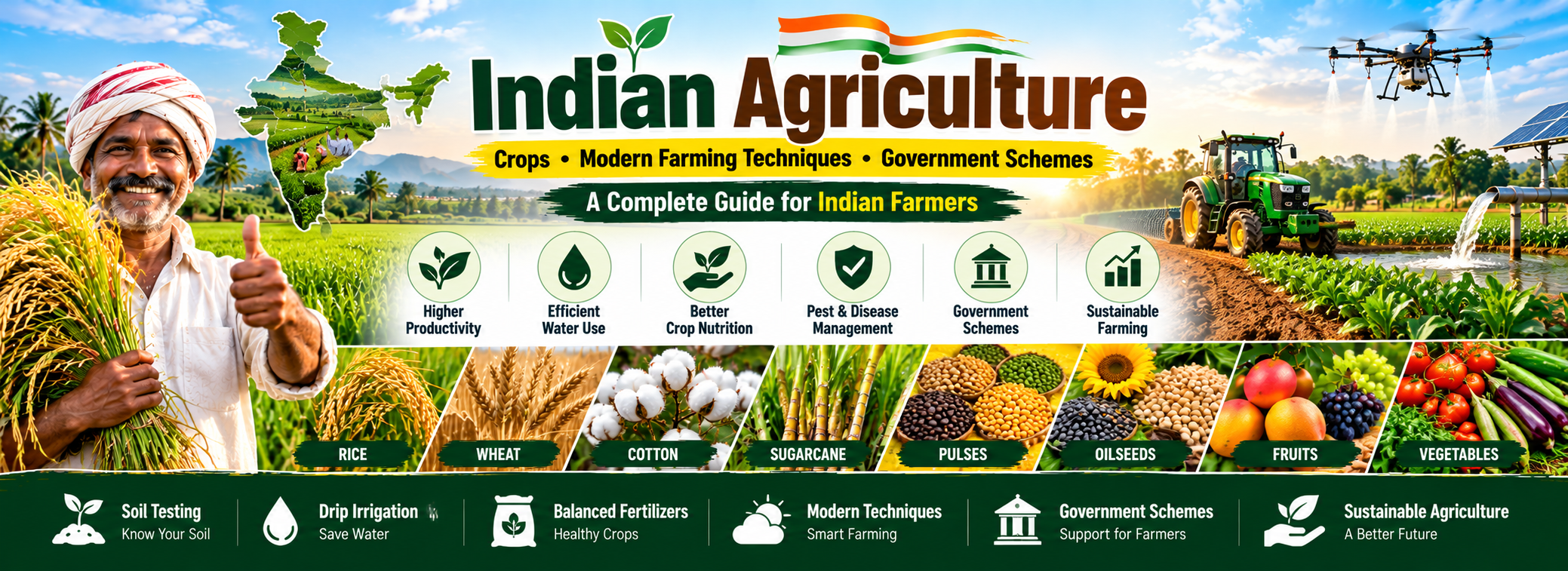
Indian agriculture is a vital part of the country's economy, providing livelihoods for millions of farmers and supporting the nation's food supply. India produces a wide range of agricultural products, including rice, wheat, cotton, sugarcane, pulses, fruits, vegetables, and oilseeds. However, farmers face challenges such as changing weather patterns, water shortages, rising input costs, and pest attacks. Understanding Indian agriculture and adopting modern farming practices can help farmers improve productivity and manage agricultural risks.
Importance of Agriculture in India
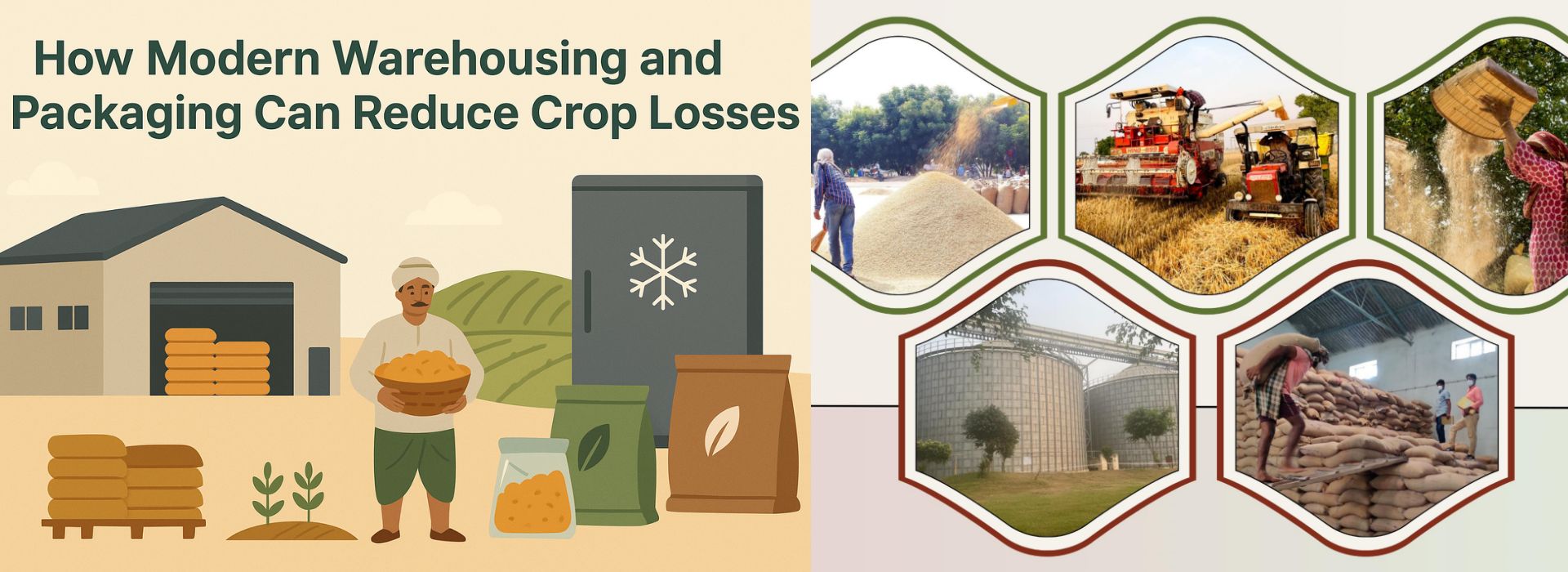
Agriculture contributes to rural employment, food security, and the supply of raw materials for several industries. Farming also supports related sectors such as food processing, transportation, storage, and agricultural equipment.
India's diverse climate and soil conditions allow farmers to cultivate different crops across various regions. Improving access to agricultural knowledge, quality inputs, irrigation, and markets remains important for sustainable farming.
Major Crops Grown in India
Indian agriculture includes several crop categories based on climate, season, and regional conditions.
Rice: Widely cultivated in states such as West Bengal, Uttar Pradesh, Punjab, Andhra Pradesh, and Telangana.
Wheat: An important food crop grown extensively in northern and central India.
Cotton: A major commercial crop cultivated in Maharashtra, Gujarat, Telangana, and other states.
Sugarcane: Grown in Uttar Pradesh, Maharashtra, Karnataka, and other suitable regions.
Pulses: Crops such as chickpea, pigeon pea, and lentils provide protein and contribute to agricultural diversity.
Oilseeds: Soybean, groundnut, mustard, and other oilseeds support India's edible oil industry.
Fruits and vegetables: Mangoes, bananas, grapes, onions, tomatoes, and other horticultural crops provide food and income opportunities.
Farmers should select crops according to local climate, soil conditions, irrigation availability, and market demand.
Modern Farming Techniques in India
Modern farming methods can help farmers manage resources efficiently and improve crop production when adapted to local conditions.
1. Soil Testing: Soil analysis helps farmers understand nutrient levels and apply fertilizers according to crop requirements.
2. Drip Irrigation: This method delivers water close to plant roots and can improve water-use efficiency.
3. Precision Agriculture: Weather information, sensors, and other technologies can help farmers make better decisions about irrigation and crop management.
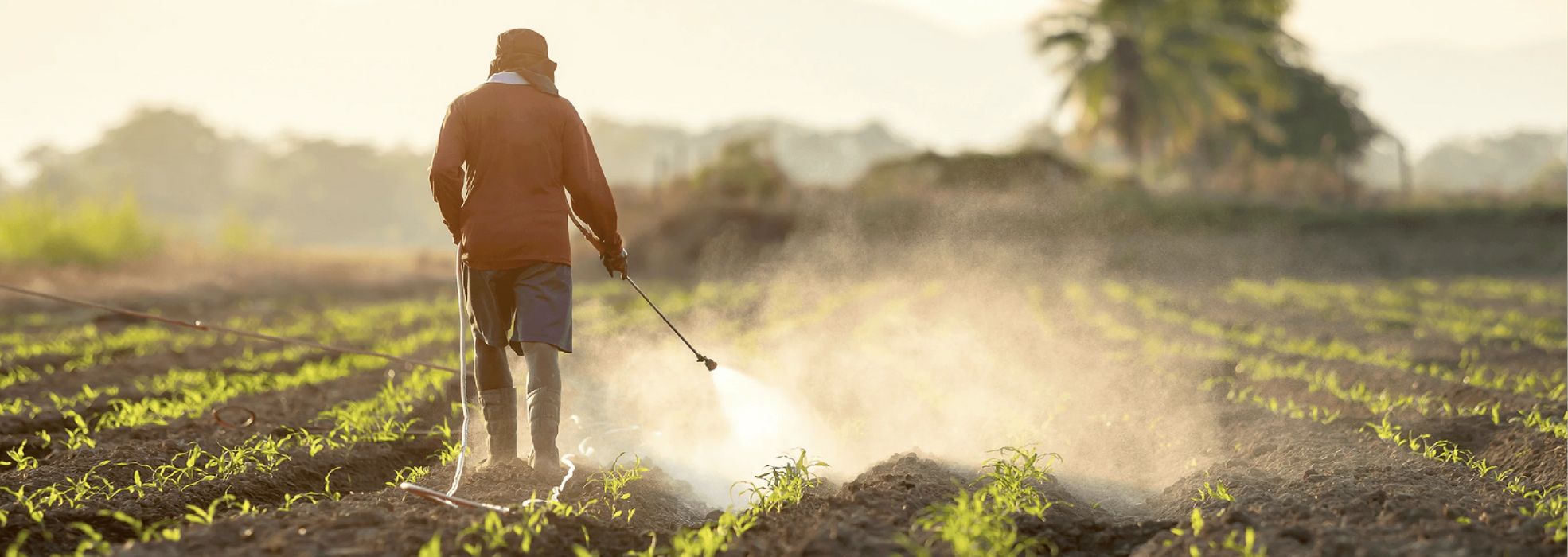
4. Integrated Pest Management: Crop monitoring, biological controls, and suitable crop protection methods can help manage pests responsibly.
5. Balanced Fertilizer Application: Using the right nutrients in recommended quantities supports plant growth and helps avoid unnecessary input costs.
6. Organic Matter Management: Compost, crop residues, and other suitable organic materials can support soil structure and long-term soil health.
Government Schemes for Indian Farmers
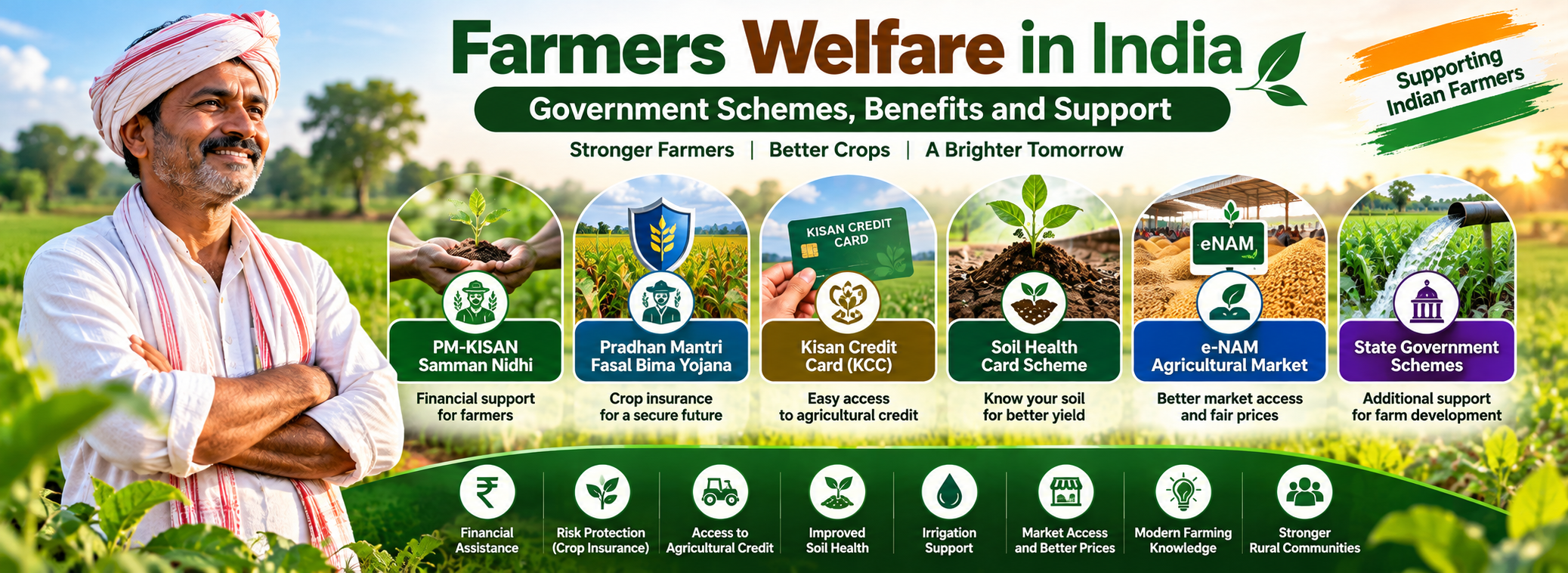
The Indian government operates various programmes to support farmers and agricultural development. Depending on eligibility, farmers may benefit from schemes such as:
Pradhan Mantri Fasal Bima Yojana (PMFBY): Crop insurance for specified agricultural risks.
PM-KISAN: Income support for eligible farmer families under applicable guidelines.
Pradhan Mantri Krishi Sinchayee Yojana: Support for irrigation and water-use efficiency initiatives.
Soil Health Card Scheme: Information to help farmers understand soil nutrient status and fertilizer recommendations.
Kisan Credit Card (KCC): Institutional credit support for eligible agricultural and related activities.
Scheme eligibility, benefits, and application requirements vary. Farmers should check official government portals for the latest details.
Importance of Fertilizers and Crop Nutrition
Balanced crop nutrition is essential for healthy plant development. Nitrogen supports vegetative growth, phosphorus helps root development, and potassium supports water regulation and other plant functions.
Farmers should select fertilizers based on soil test results, crop requirements, and recommended application rates. Excessive or inappropriate fertilizer use can increase costs and harm the environment.
Visit KrishiBazaar.in to explore agricultural products, fertilizers, and farming-related resources. Always follow product labels and expert recommendations.
Sustainable Agriculture for the Future
Sustainable agriculture focuses on protecting soil, conserving water, managing pests responsibly, and using resources efficiently. Crop rotation, mulching, rainwater harvesting, integrated pest management, and appropriate irrigation practices can support long-term farm productivity.
Farmers should also follow reliable weather forecasts and local agricultural advisories to plan sowing, irrigation, and harvesting activities.
Conclusion
Indian agriculture is essential to the country's economy, food security, and rural development. By adopting modern farming techniques, improving soil health, managing water efficiently, and learning about government schemes, farmers can make better agricultural decisions.
Visit KrishiBazaar.in for agricultural products, fertilizer information, crop nutrition guidance, and practical farming resources for farmers across India.

Guest reviews
No reviews found for this Blog