

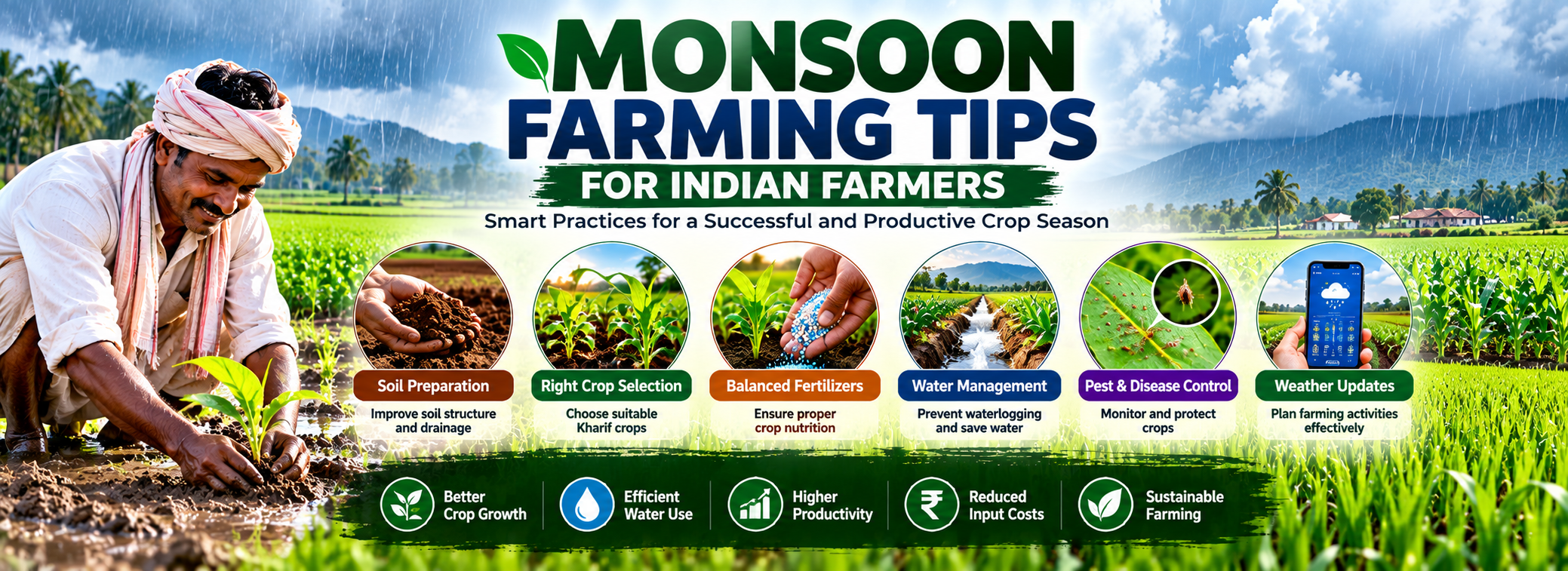
Monsoon Farming Tips for Indian Farmers
October 30, 2026Discover practical monsoon farming tips for Indian farmers, including soil preparation, crop selection, fertilizer management, water conservation, and pest control.
1. Prepare Your Soil Before the Monsoon
Proper soil preparation helps farmers manage rainfall and maintain suitable growing conditions.
Remove unwanted weeds and crop residues where necessary.
Prepare drainage channels to prevent waterlogging.
Incorporate well-decomposed organic manure where suitable.
Use contour bunding or other erosion-control methods on sloping land.
Avoid excessive tillage when the soil is too wet.
Good soil management helps improve soil structure, reduce erosion, and support healthy root development.
2. Choose the Right Crops for the Rainy Season
Crop selection is one of the most important decisions during monsoon farming. Farmers should consider rainfall patterns, soil type, water availability, local climate, and market demand.
Common monsoon crops in India include:
Paddy: Suitable for areas with adequate water availability and appropriate field conditions.
Maize: Grown in many regions during the rainy season using locally recommended varieties.
Cotton: Cultivated in suitable black and other well-drained soils.
Soybean: An important Kharif crop in several Indian states.
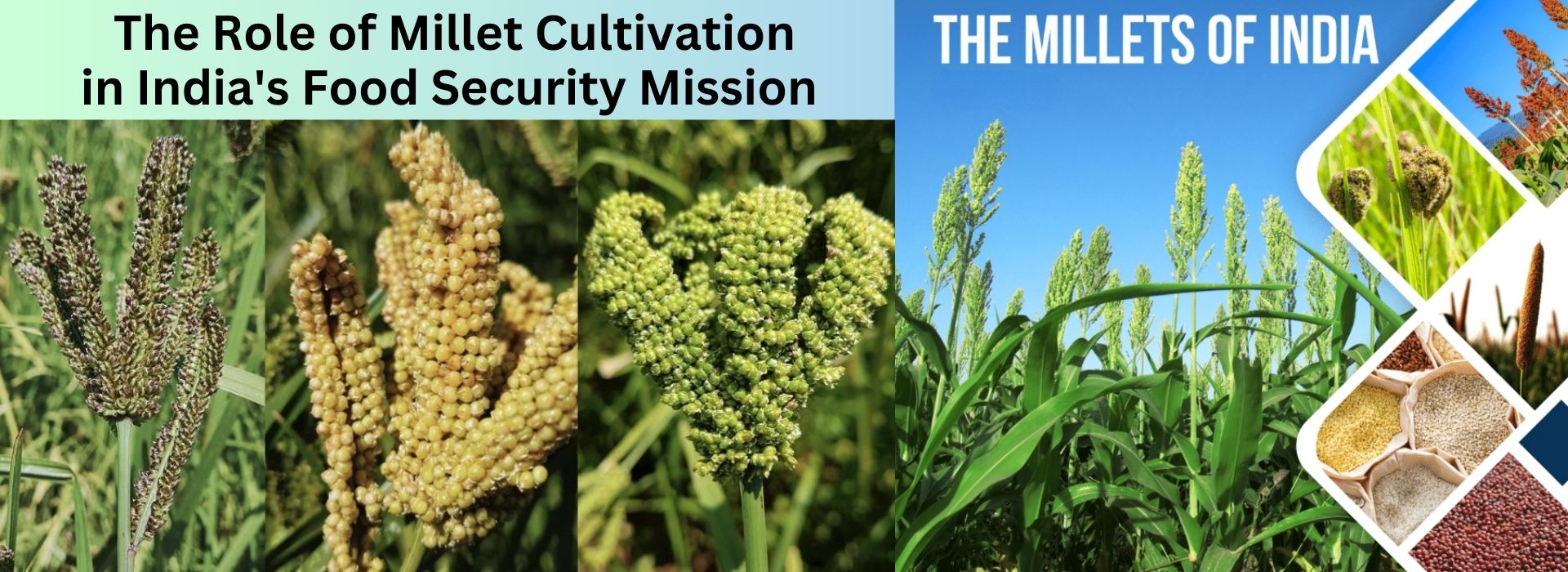
Millets: Sorghum and pearl millet are suitable for many dryland farming regions.
Pulses: Pigeon pea and green gram are grown in suitable rainfall and soil conditions.
Farmers should select region-specific varieties and follow recommended sowing dates.
3. Use Balanced Fertilizer Management
Rainfall can influence nutrient availability and fertilizer efficiency. Heavy rain may cause nutrient losses through runoff or leaching, depending on soil conditions and fertilizer type.
For better crop nutrition:
Conduct soil testing before deciding fertilizer requirements.
Apply nitrogen, phosphorus, and potassium according to crop recommendations.
Split fertilizer applications when recommended for the crop.
Avoid applying fertilizers immediately before heavy rainfall.
Follow the product label for dosage and application instructions.
Balanced nutrient management helps support crop growth while reducing unnecessary input expenses.
Explore suitable fertilizer products and crop nutrition resources at Krishibazaar.in.
4. Prevent Waterlogging and Soil Erosion
Excess rainfall can damage crops through waterlogging and soil erosion. Poor drainage reduces oxygen availability around plant roots and may encourage root diseases.
Farmers can take preventive measures such as:
Maintaining proper field drainage channels.
Cleaning existing drainage systems before heavy rainfall.
Using raised beds for suitable vegetable crops.
Maintaining vegetative soil cover where practical.
Using bunds and contour farming on sloping fields.
Drainage requirements depend on crop type, soil texture, and field conditions.
5. Monitor Pests and Crop Diseases
Warm and humid monsoon conditions can favour certain insect pests and plant diseases. Regular field monitoring is essential.
Farmers should inspect leaves, stems, roots, and fruits for unusual spots, discoloration, wilting, or insect damage.
Use healthy seeds, maintain recommended crop spacing, remove infected plant material where appropriate, and follow integrated pest management practices.
Use pesticides only when necessary and according to approved label instructions. Consult agricultural experts for accurate identification and treatment recommendations.
6. Follow Weather Forecasts and Save Water
Weather forecasts help farmers plan sowing, irrigation, spraying, and harvesting activities.
Farmers can use reliable weather information and local agricultural advisories to prepare for heavy rainfall or dry spells.
Rainwater harvesting, farm ponds, suitable mulching, and efficient irrigation systems can help conserve water for future crop requirements.
Conclusion
Successful monsoon farming requires proper soil preparation, suitable crop selection, balanced fertilizer management, effective drainage, and regular pest monitoring.
By following practical and locally recommended farming methods, farmers can manage seasonal challenges and support sustainable crop production.
Visit Krishibazaar.in for agriculture updates, fertilizer information, crop nutrition guidance, and useful farming resources.
Disclaimer: Crop recommendations and fertilizer requirements vary by region, soil, and rainfall conditions. Consult local agricultural experts and official weather advisories before making important farming decisions.

Guest reviews
No reviews found for this Blog