


How Organic Farming Boosts Farmer Income and Soil Health
December 11, 2025How Organic Farming Boosts Farmer Income and Soil Health
As the demand for chemical-free, high-quality food continues
to rise, organic farming has become a powerful opportunity for farmers in
India. Apart from producing healthier food, organic farming offers two major
advantages: higher income and improved soil health.
For farmers struggling with rising input costs and declining
soil fertility, shifting to organic practices can create a more profitable,
sustainable, and resilient farming system. Here’s how.
🌱 1. Lower Input Costs: Saving Money from Day One
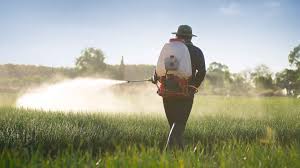
One of the biggest advantages of organic farming is the reduction
in input costs. Farmers spend a significant portion of their budget on:
- Chemical
fertilizers
- Synthetic
pesticides
- Herbicides
- Growth
regulators
Organic farming replaces these costly chemicals with farm-based
natural inputs, such as:
- Compost
- Cow
dung and cow urine mixtures
- Vermicompost
- Green
manure
- Biofertilizers
- Neem-based
solutions
These inputs are often prepared on-farm, which drastically
reduces expenses and leads to higher profit margins.
💰 2. Higher Market Prices for Organic Produce
With consumer awareness increasing, organic fruits,
vegetables, pulses, and grains often fetch 20–40% higher market prices,
sometimes even more in niche or export markets.
Why buyers pay more for organic produce:
- Free
from harmful chemical residues
- Better
taste and nutritional value
- Higher
demand in urban and health-conscious markets
- Growing
export opportunities
Farmers who obtain certification or sell through trusted
organic outlets can significantly increase their net income.
🌾 3. Improved Soil Health Leads to Better Long-Term Yields
Healthy soil is the foundation of successful farming. Organic
practices help restore and enhance soil fertility in multiple ways.
✔ Builds Organic Matter
Techniques like composting, mulching, and green manuring
increase soil organic carbon.
✔ Boosts Microbial Activity
Organic soils support beneficial earthworms, microbes, and
insects that break down nutrients naturally.
✔ Improves Water-Holding Capacity
Healthy organic soil retains moisture for longer, reducing
irrigation needs.
✔ Reduces Soil Erosion
Practices like cover cropping and mulching protect soil from
being washed away.
Over time, soil becomes more fertile, more stable, and
more productive, ensuring consistent yields year after year.
🌿 4. Better Resilience Against Droughts and Climate Stress
Organic soil with more organic matter can retain water and
withstand drought better than chemically treated soil.
This means:
- Less
dependence on frequent irrigation
- Reduced
crop losses during dry spells
- Protection
from extreme weather events
For farmers in rainfed regions, organic farming can be a life-changing
solution.
🐛 5. Reduced Pest and Disease Pressure
Organic farming promotes natural ecological balance,
reducing the need for chemical pesticides.
Natural pest management tools:
- Neem
oil
- Trichoderma
- Pheromone
traps
- Biological
pest predators
- Herbal
sprays like Dashparni Ark and Jeevamrut
When soil and plants become healthy, they develop natural
resistance, reducing infestation and saving money.
🚜 6. Long-Term Sustainability and Lower Risk
Chemical farming may give high yields initially but often
causes:
- Soil
degradation
- Increased
pest resistance
- Higher
long-term input costs
- Irregular
yields
Organic farming, on the other hand, builds a sustainable
system where soil gets richer over time, not poorer. This reduces long-term
risk and provides stability in income.
🧑🌾 7. Income Benefits from Value Addition
Organic farmers can further increase income by:
- Selling
value-added products like organic jaggery, oils, and powders
- Direct
marketing to consumers
- Participating
in organic markets and fairs
- Forming
FPOs for bulk sales and better pricing
This creates additional revenue streams beyond raw crop
sales.
🌟 Conclusion
Organic farming is not just an environmentally friendly
choice—it’s a smart economic strategy for today’s farmers. By reducing
input costs, improving soil health, and unlocking premium market prices,
organic farming helps farmers achieve higher income and long-term
sustainability.
Healthy soil leads to healthier crops…
Healthy crops lead to healthier income…
And healthier income leads to a stronger farming community.
Switching to organic farming today can build a stable,
profitable, and sustainable future for farmers and the planet.
🔖Tags: #OrganicFarming #FarmerIncome #SoilHealth #SustainableAgriculture
#IndianFarmers
At krishibazaar.in, you
can find and buy various agricultural products. For agricultural guidance on
selecting the most suitable products for your crops, please contact or WhatsApp
at +917887880887.


Guest reviews
No reviews found for this Blog