

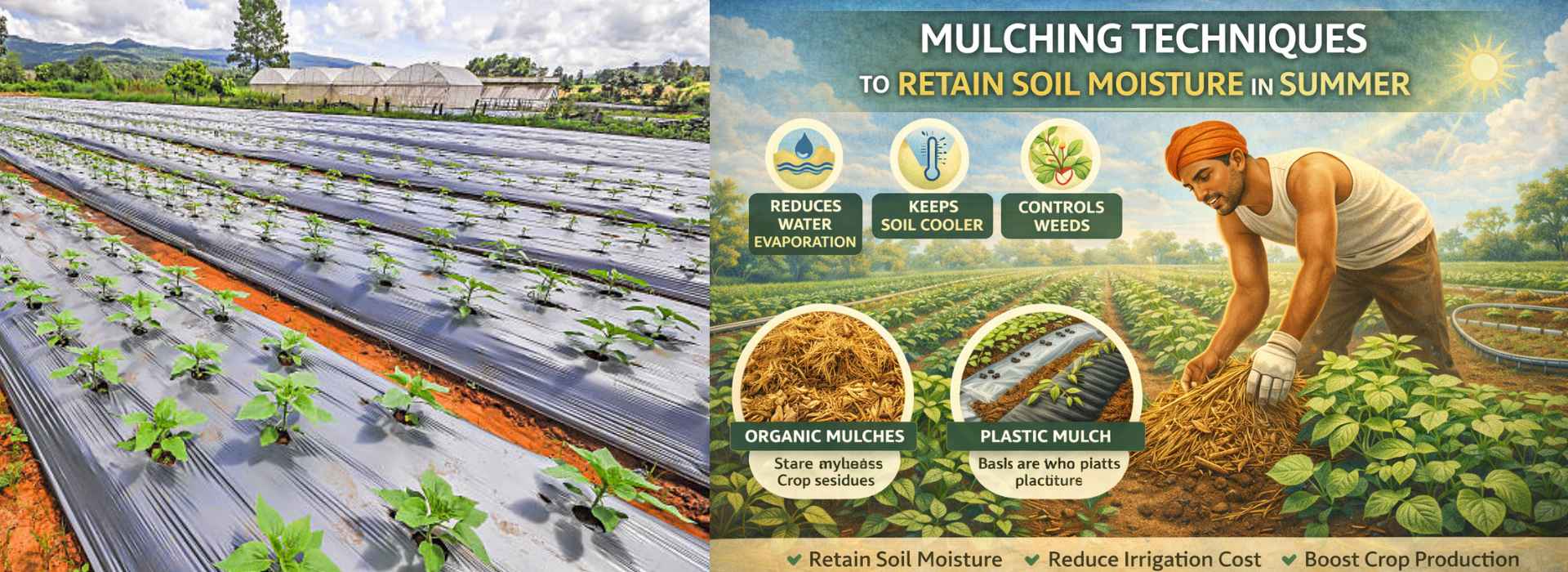
Mulching Techniques to Retain Soil Moisture in Summer
February 18, 2026Mulching Techniques to Retain Soil Moisture in Summer
Summer farming in India brings serious challenges—high
temperatures, rapid evaporation, soil moisture loss, and heat stress on crops.
One of the most effective and low-cost solutions to tackle these problems is mulching.
Mulching helps farmers conserve water, protect soil health,
and improve crop yield during the harsh summer season.
🌱 What Is Mulching?
Mulching is the practice of covering the soil surface
around plants with organic or inorganic materials to reduce moisture loss
and regulate soil temperature.
It acts as a protective layer between the soil and the
environment.
☀️ Why Mulching Is Important in Summer
During summer:
- Soil
moisture evaporates quickly
- Soil
temperature rises
- Weeds
grow rapidly
- Irrigation
costs increase
Mulching helps solve all these issues by creating a cool
and moisture-rich root zone.
🌿 Benefits of Mulching in Summer
💧 1. Reduces Water Evaporation
Mulch significantly reduces moisture loss, saving up to 30–50%
irrigation water.
🌡 2. Regulates Soil Temperature
It keeps soil cooler during hot days and prevents root
damage.
🌱 3. Controls Weed Growth
Mulch blocks sunlight, preventing weed germination.
🌾 4. Improves Soil Health
Organic mulch decomposes and adds nutrients to the soil.
💰 5. Reduces Irrigation Cost
Less frequent watering means lower electricity or diesel
expenses.
🍂 Types of Mulching Techniques
🌿 1. Organic Mulching (Natural & Low-Cost)
Organic materials decompose over time and improve soil
fertility.
Common Materials:
- Straw
- Dry
leaves
- Crop
residues
- Sugarcane
trash
- Grass
clippings
- Coconut
husk
Best for: Vegetables, fruit crops, and small farms.
🛡 2. Plastic Mulching (Poly Mulch)
Plastic sheets are spread over the soil surface, with holes
for planting.
Advantages:
- Excellent
moisture conservation
- Strong
weed control
- Suitable
for commercial vegetable farming
Common Colors:
- Black
(weed control)
- Silver-black
(repels insects)
Best for: Tomato, chilli, watermelon, cucumber, strawberry.
🌾 3. Live Mulching
Growing cover crops between main crops to protect soil.
Examples:
- Cowpea
- Green
gram
- Clover
It prevents soil erosion and improves fertility.
🌳 4. Mulching in Fruit Orchards
Apply 5–10 cm thick organic mulch around trees like:
- Mango
- Pomegranate
- Guava
- Banana
Keep mulch slightly away from the trunk to avoid fungal
infection.
🚜 How to Apply Mulch Properly
- Irrigate
field before mulching
- Remove
existing weeds
- Spread
mulch evenly (5–8 cm thick for organic materials)
- Ensure
proper drainage
- Monitor
for pest buildup
Proper application ensures maximum benefit.
🌍 Crops That Benefit Most from Mulching in Summer
- Tomato
- Chilli
- Brinjal
- Watermelon
- Cucumber
- Papaya
- Banana
- Cotton
Mulching is especially useful in water-scarce regions.
📉 Common Mistakes to Avoid
- Applying
too thick mulch layer
- Placing
mulch directly against plant stem
- Ignoring
pest monitoring
- Using
diseased crop residue
🌟 Additional Tips for Summer Moisture Conservation
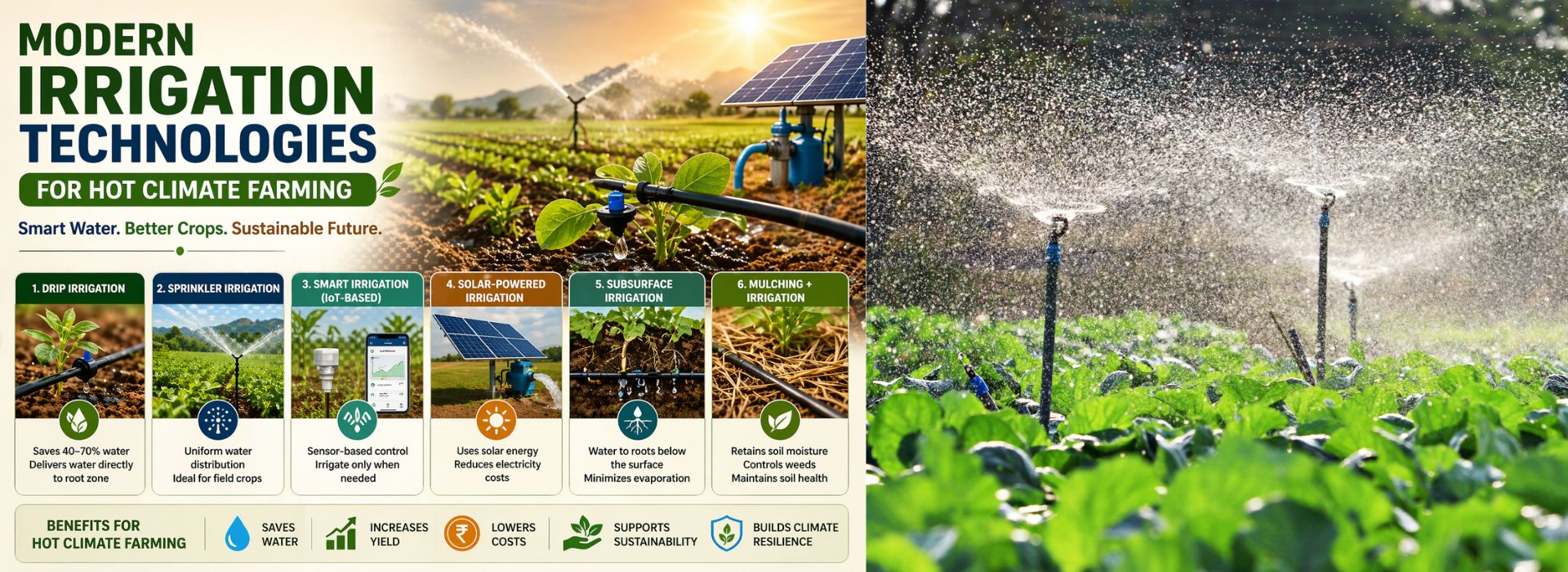
- Combine
mulching with drip irrigation
- Use
early morning irrigation
- Practice
crop rotation
- Improve
soil organic matter
✅ Conclusion
Mulching is a simple yet powerful technique to retain soil
moisture during the summer season. It reduces water use, controls weeds,
improves soil health, and boosts crop productivity.
For small and marginal farmers, mulching is a cost-effective
solution that turns summer challenges into profitable opportunities.
Adopting proper mulching techniques can help farmers achieve higher
yields with lower water input—making farming more sustainable and
climate-resilient.
🔖 Keywords:
Mulching techniques, summer farming, soil moisture conservation, water-saving
agriculture, drip irrigation, organic mulch
At krishibazaar.in, you can find and buy various agricultural products. For agricultural guidance on selecting the most suitable products for your crops, please contact or WhatsApp at +917887880887.

Guest reviews
No reviews found for this Blog