

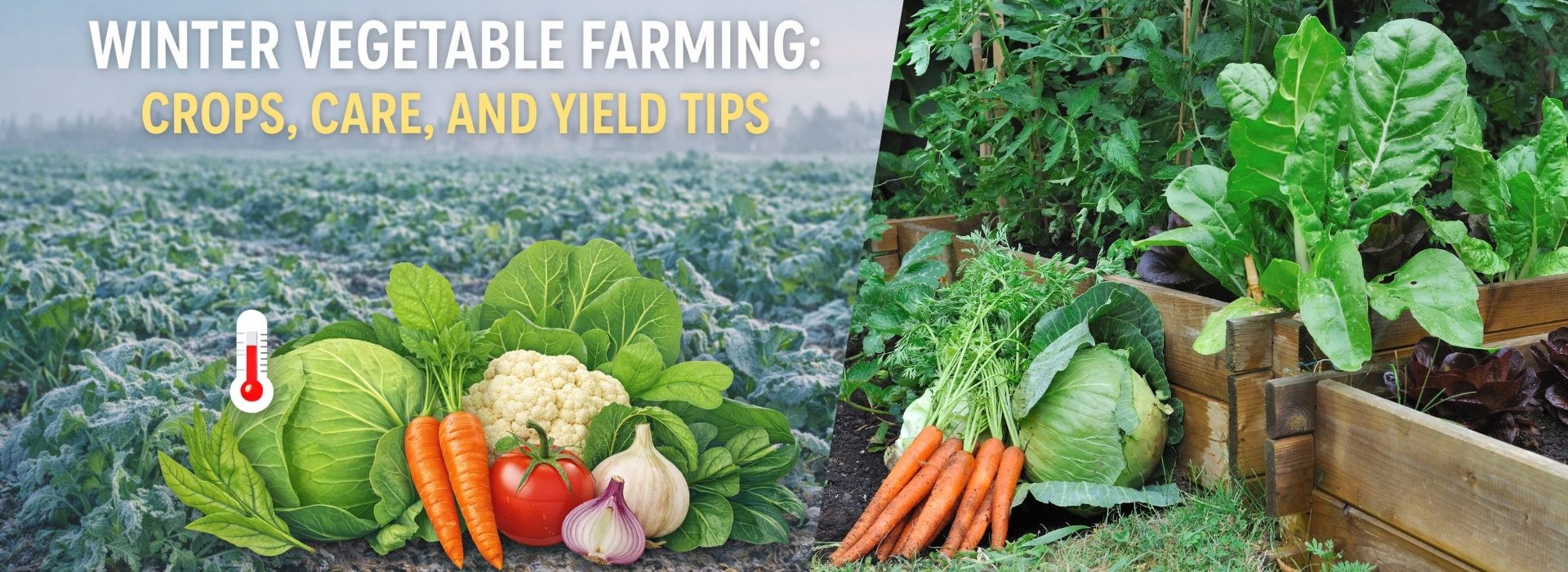
Winter Vegetable Farming: Crops, Care, and Yield Tips
December 16, 2025Winter Vegetable Farming: Crops, Care, and Yield Tips
Winter vegetable farming is highly popular in India due to favorable
climate, lower pest pressure, and better market prices. The cool season is
ideal for growing a wide range of vegetables that offer high yield and good
profitability when managed properly.
In this blog, we cover the best winter vegetables, essential
crop care practices, and proven tips to maximize yield and profit.
🌱 Why Winter Vegetable Farming Is Important
- Cool
temperatures support healthy vegetative growth
- Reduced
pest and disease incidence
- Better
quality produce with longer shelf life
- High
demand and better prices in winter markets
Winter vegetables are mainly grown during the Rabi season
(October to March).
🥕 Best Crops for Winter Vegetable Farming
🥬 Leafy Vegetables
- Spinach
(Palak)
- Fenugreek
(Methi)
- Coriander
- Lettuce
🥕 Root Vegetables
- Carrot
- Radish
- Beetroot
- Turnip
🥔 Bulb & Tuber Crops
- Onion
- Garlic
- Potato
🥦 Cruciferous Vegetables
- Cabbage
- Cauliflower
- Broccoli
- Knol-khol
🍅 Other Popular Crops
- Peas
- Tomato
(winter varieties)
- Capsicum
🚜 Land Preparation & Sowing
- Plough
the field 2–3 times to achieve fine tilth
- Apply
8–10 tons of well-decomposed FYM/compost per hectare
- Maintain
proper drainage to avoid waterlogging
- Sowing
Time: October
to November (varies by region)
🧪 Nutrient Management
Balanced nutrition ensures healthy growth and higher yields.
- Basal
Application:
- FYM/Compost
- NPK
as per soil test
- Top
Dressing:
- Urea
or nitrogen-based fertilizer during vegetative stage
- Micronutrients:
- Zinc,
Boron, and Magnesium sprays improve quality
👉 Foliar sprays like 19:19:19 or 13:40:13 help in better growth and
flowering.
💧 Irrigation Management
- Winter
vegetables need light but regular irrigation
- Avoid
overwatering, especially in cold regions
- Critical
stages:
germination, flowering, and fruit formation
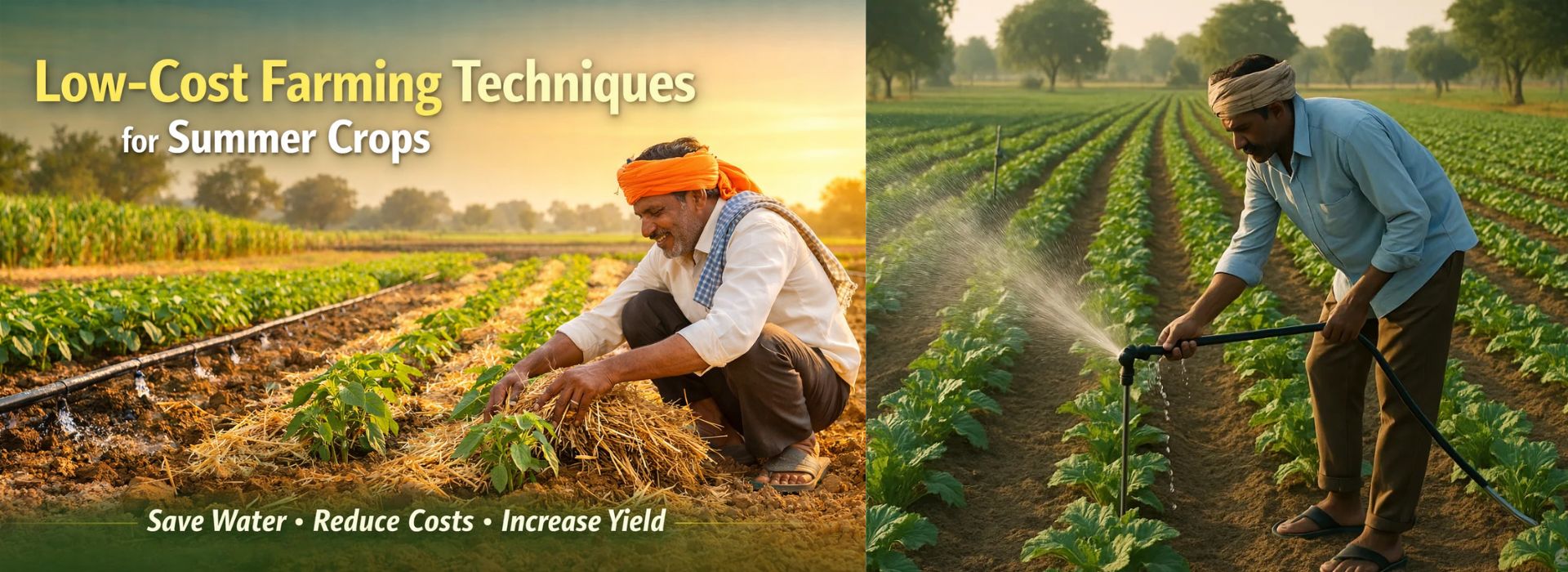
- Drip
irrigation helps conserve water and increases yield
🐛 Pest & Disease Management
Winter crops face fewer pests, but vigilance is still needed.
Common Pests:
- Aphids
- Leaf
miners
- Caterpillars
Control Measures:
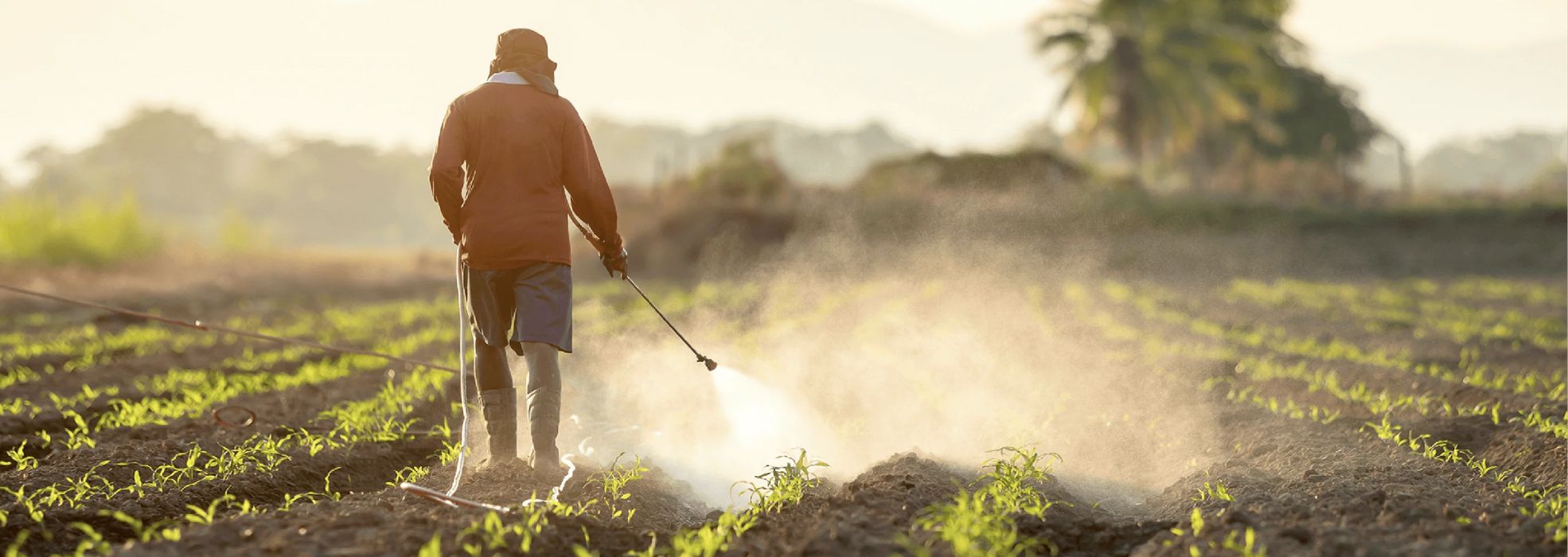
- Neem
oil spray (3–5 ml/litre)
- Sticky
traps
- Integrated
Pest Management (IPM) practices
Common Diseases:
- Powdery
mildew
- Damping-off
- Leaf
spots
Use disease-resistant varieties and maintain proper spacing.
🌿 Weed Management
- First
weeding at 20–25 days after sowing
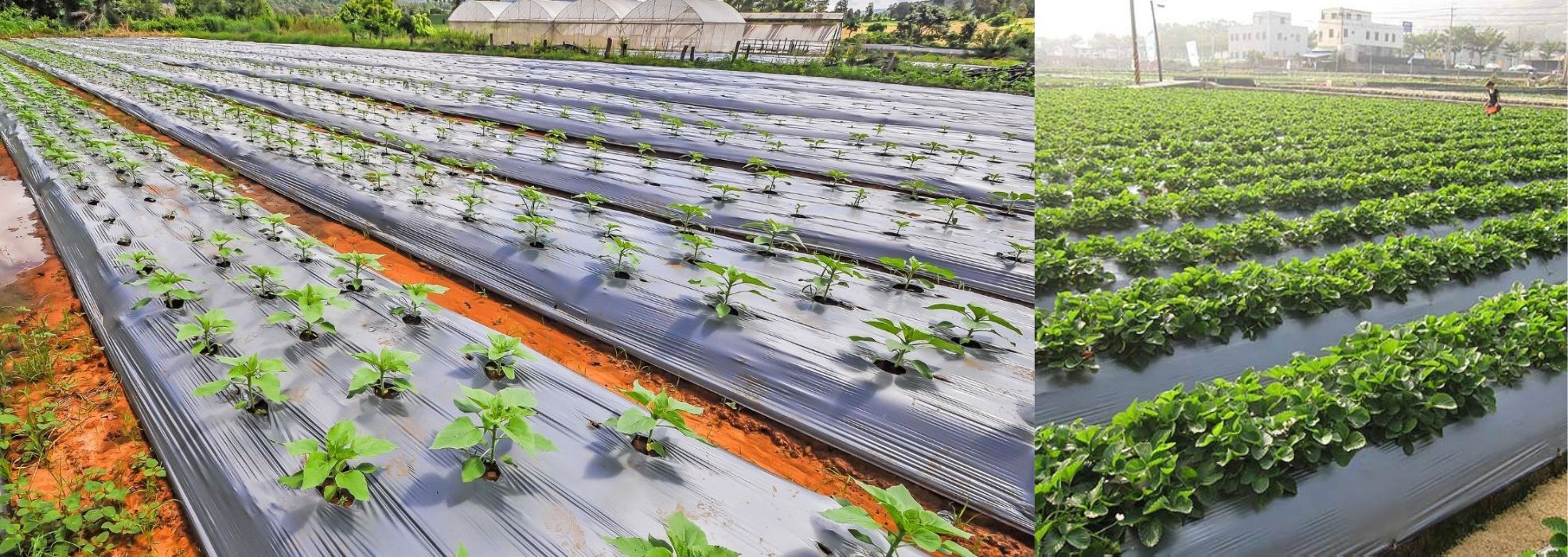
- Mulching
helps control weeds and retain moisture
- Avoid
deep hoeing to protect roots
🌾 Yield Improvement Tips
- Use
certified, season-specific seeds
- Follow
proper plant spacing
- Adopt
mulching and drip irrigation
- Apply
nutrients in split doses
- Harvest
at the right maturity stage
- Practice
crop rotation to avoid soil fatigue
🌟 Conclusion
Winter vegetable farming offers a great opportunity for
farmers to earn higher income with relatively lower risk. By selecting the
right crops, following proper care practices, and using modern techniques like
drip irrigation and IPM, farmers can achieve better yields and improved
profitability.
With increasing demand for fresh vegetables during winter,
adopting scientific farming practices can ensure a successful and
sustainable vegetable farming season.
🔖 Tags: #WinterVegetableFarming #VegetableCultivation #RabiCrops #FarmersGuide
#HigherYield
At krishibazaar.in, you
can find and buy various agricultural products. For agricultural guidance on
selecting the most suitable products for your crops, please contact or WhatsApp
at +917887880887.

Guest reviews
No reviews found for this Blog