

What Farmers Should Prepare for if Global Conflicts Continue
March 19, 2026🌍
What Farmers Should Prepare for if Global Conflicts Continue
Building
Resilient Agriculture in Uncertain Times
Introduction
In
today’s interconnected world, global conflicts—whether in the Middle East,
Europe, or other regions—have far-reaching impacts beyond politics. For Indian
farmers, these conflicts can influence fuel prices, fertilizer costs, supply
chains, and market demand.
As
uncertainties continue, it becomes essential for farmers to prepare proactively
and adopt strategies that ensure stability, sustainability, and profitability
even during global disruptions.
🌾
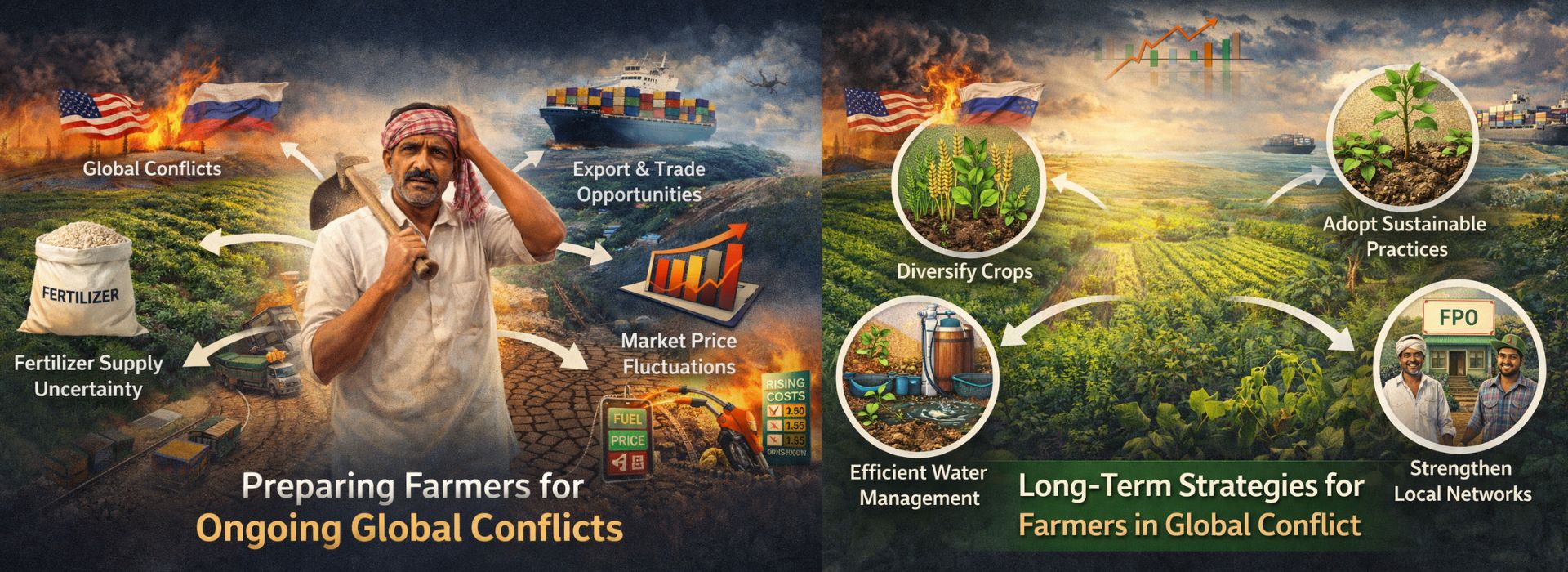
How Global Conflicts Affect Agriculture
Global
tensions can disrupt agriculture in multiple ways:
- Rising fuel
prices increase irrigation and transport costs
- Higher fertilizer
prices due to supply shortages
- Disruptions
in import-export markets
- Increased
volatility in crop prices
These
factors directly impact farm income and production planning.
🚜
What Farmers Should Prepare For
1.
Rising Input Costs
One
of the most immediate effects of global conflicts is the increase in input
costs such as:
- Diesel and
petrol
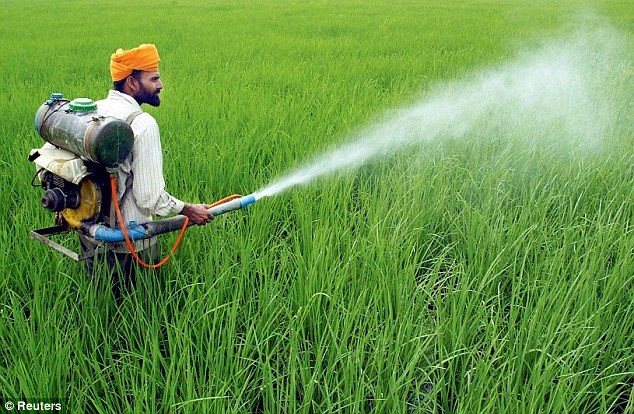
- Fertilizers
- Pesticides
What
to do:
- Plan input
purchases in advance
- Use inputs
efficiently through soil testing
- Explore
government subsidy schemes
2.
Fertilizer Supply Uncertainty
Since
India depends on imports for fertilizers, global disruptions can lead to
shortages or delayed supply.
Preparation
tips:
- Maintain
buffer stock (within limits)
- Use organic
fertilizers, compost, and biofertilizers
- Adopt
integrated nutrient management
3.
Fuel Price Volatility
Higher
fuel costs affect:
- Tractor
operations
- Irrigation
pumps
- Transportation
to markets
Smart
strategies:
- Shift to solar
pumps where possible
- Optimize
machinery usage
- Plan
logistics to reduce fuel consumption
4.
Market Price Fluctuations
Global
instability can cause sudden spikes or drops in crop prices.
What
farmers can do:
- Diversify
crops to reduce risk
- Store
produce and sell when prices are favorable
- Stay updated
with market trends
5.
Export & Trade Opportunities
Sometimes,
global conflicts create new export demand for Indian agricultural products.
Opportunity
areas:
- Wheat and
rice exports
- Spices and
pulses
- Processed
food products
Farmers
connected with FPOs (Farmer Producer Organizations) can benefit from
such opportunities.
6.
Climate and Supply Chain Disruptions
Conflicts
can indirectly affect global logistics and climate-related responses.
Preparation:
- Strengthen
on-farm storage
- Use local
markets and supply chains
- Build
relationships with nearby buyers
🌱
Long-Term Strategies for Farmers
1.
Diversification of Crops
Growing
multiple crops reduces dependency on a single income source and minimizes risk.
2.
Adoption of Sustainable Practices
- Crop
rotation
- Mulching
- Organic
farming
These
practices reduce dependency on external inputs.
3.
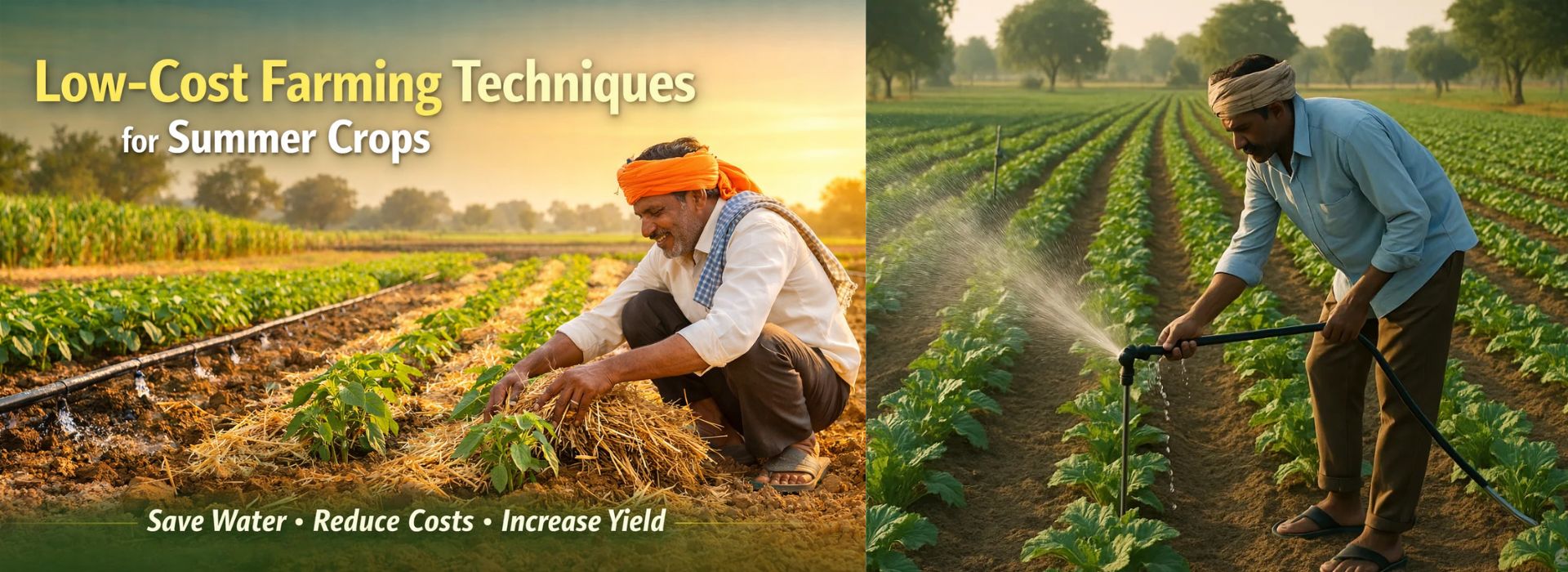
Water Management
Efficient
water use becomes crucial when costs rise:
- Drip
irrigation
- Sprinkler
systems
- Rainwater
harvesting
4.
Use of Technology
Digital
tools can help farmers stay ahead:
- Weather
forecasting apps
- Market price
tracking platforms
- Smart
irrigation systems
5.
Strengthening Local Networks
Joining:
- Farmer
Producer Organizations (FPOs)
- Cooperatives
- Local agri
groups
can
help farmers access better prices, inputs, and market information.
🇮🇳
Role of Government Support
The
Indian government may step in during global crises through:
- Increased
fertilizer subsidies
- MSP (Minimum
Support Price) support
- Export-import
policy adjustments
- Emergency
supply measures
Farmers
should stay informed about these policies to take full advantage.
🌾
Conclusion
Global
conflicts may be beyond a farmer’s control, but preparedness and smart
planning can reduce their impact significantly. By focusing on efficiency,
diversification, and sustainable practices, Indian farmers can build resilience
against global uncertainties.
The
future of agriculture lies in being adaptive, informed, and
resource-efficient. Farmers who prepare today will be better positioned to
face tomorrow’s challenges and continue to thrive even in uncertain times.
At krishibazaar.in, you
can find and buy various agricultural products. For agricultural guidance on
selecting the most suitable products for your crops, please contact or WhatsApp
at +917887880887.


Guest reviews
No reviews found for this Blog